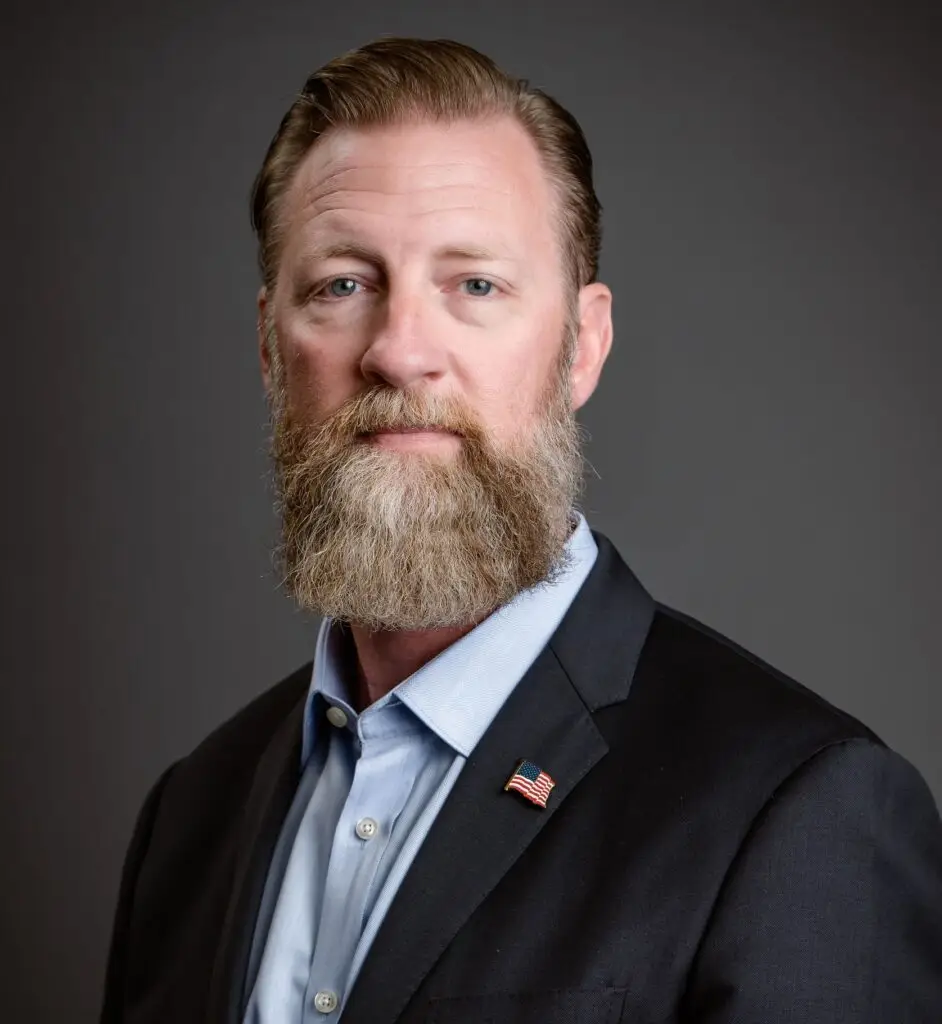

By Jim Hendley | Leader’s Edge Consulting
Most business owners I talk to have the same blind spot. They’re focused on what’s broken on the outside — leads, revenue, marketing — when the real problem is happening on the inside. And nowhere does that show up more painfully than in employee retention.
You’ve seen it. You hire someone, invest time and money getting them up to speed, and then one day they just disappear. No two-week notice. No conversation. Just gone. And you’re left wondering what happened.
Here’s what I’ve learned after working with dozens of service business owners: the problem is almost never the new hire. It’s the culture they walked into on day one.
The Real Cost of a Disempowered Team
Before we get into solutions, let’s be honest about what disempowerment actually costs you.
When your people don’t feel trusted, valued, or invested in, they don’t bring their best. They show up, do the minimum required to keep their job, and keep one eye on the door. The ones who leave quickly are just being honest about what everyone else is quietly feeling.
Research consistently shows that empowered teams are significantly more productive, more engaged, and more likely to stay. But empowerment isn’t a perk you offer — it’s a culture you build. And it starts with the leaders closest to the work.
A Story About a Shirt
I was working with a CEO who was genuinely frustrated. His company was hemorrhaging new employees. He’d do everything right — give them company shirts, run them through training, try to set them up for success — and then, not long after, they’d ghost him. Poof. Gone. No explanation.
As we worked through his processes, something interesting surfaced. One of his most senior employees — someone responsible for training many of the new hires — was poisoning the well. Whether it was intentional cynicism or just years of accumulated frustration, this person was setting a tone that killed new employees’ enthusiasm before it had a chance to take root.
So we had a decision to make. And here’s where it gets interesting.
Rather than simply addressing the bad actor, we decided to reframe the entire training structure. The CEO identified his best senior workers and gave them a new title: Coach.
He didn’t give them a raise. He didn’t restructure their compensation. He bought them a different colored shirt with the word “Coach” embroidered on the chest — and charged them with being responsible for bringing new hires into the organization the right way.
Every single one of them treated it like a promotion.
They took the responsibility seriously. They showed up differently. They set the tone, established performance standards, and took genuine ownership over the success of the people they were training. Almost overnight, the culture shifted. New employees were being welcomed into an environment where experienced people were invested in their success — not undermined by someone who’d checked out years ago.
The retention problem? Solved. Not with a new HR policy. Not with a pay increase. With a different colored shirt and a clearly defined responsibility.
What This Actually Teaches Us About Empowerment
That story sounds simple, but what happened under the surface is worth unpacking — because it’s a principle that applies to organizations of every size.
People rise to the level of responsibility you give them. When you trust someone with something meaningful — something they can put their name on — they behave differently. The senior employees in that company didn’t change because they got more money. They changed because they were given a role that meant something. They had ownership. And ownership changes everything.
Culture is built from the middle out. As a leader, you set the vision. But the culture your new employees actually experience is determined by the people who are closest to them — the supervisors, the trainers, the tenured staff who show them how things really work around here. If you’re not intentional about who fills those roles and what they stand for, someone else will fill that vacuum for you. And it might not be someone you’d choose.
Empowerment doesn’t have to be expensive. One of the most common objections I hear when I talk about building a coaching culture is “I can’t afford to pay people more.” And maybe that’s true. But the CEO in this story didn’t pay anyone more. He gave people something more valuable than money — he gave them identity, responsibility, and a sense of purpose. That’s what real empowerment looks like.
How to Start Building This in Your Organization
You don’t need to overhaul your entire structure. Start with these three moves:
1. Identify your best people and name them. Look at who on your team is already doing the right things — setting a good example, helping others, taking initiative. Give them a title that reflects that. Coach, Lead, Senior Advisor — whatever fits your culture. The title matters more than you think.
2. Charge them with something specific. Empowerment without responsibility is just a compliment. Give your identified leaders an actual domain — onboarding, quality standards, team check-ins — something they own and are accountable for. Make it real.
3. Get out of their way. This is the hardest part for most business owners. Once you’ve empowered someone, let them lead. Resist the urge to micromanage or second-guess every decision. Trust the people you’ve put in place. If you’ve chosen well, they’ll surprise you.
The Bottom Line
If you’re struggling with retention, disengagement, or a team that just doesn’t seem to care — the answer probably isn’t a new benefits package or a ping-pong table in the break room. It’s leadership. Specifically, it’s creating a layer of empowered leaders between you and your newest employees who are invested in the success of your organization and the people in it.
One CEO changed his company’s culture with a different colored shirt. Imagine what you could do with an intentional leadership development strategy built around your best people.
That’s exactly what we help service business owners build at Leader’s Edge Consulting. If your team isn’t performing the way you know it can — and you’re ready to do something about it — let’s talk.
Explore Our Executive Coaching Programs →
Jim Hendley is a retired Naval Commander, John Maxwell certified coach, and founder of Leader’s Edge Consulting. He works with service business owners across the country to build stronger teams, sharper strategies, and more profitable organizations.