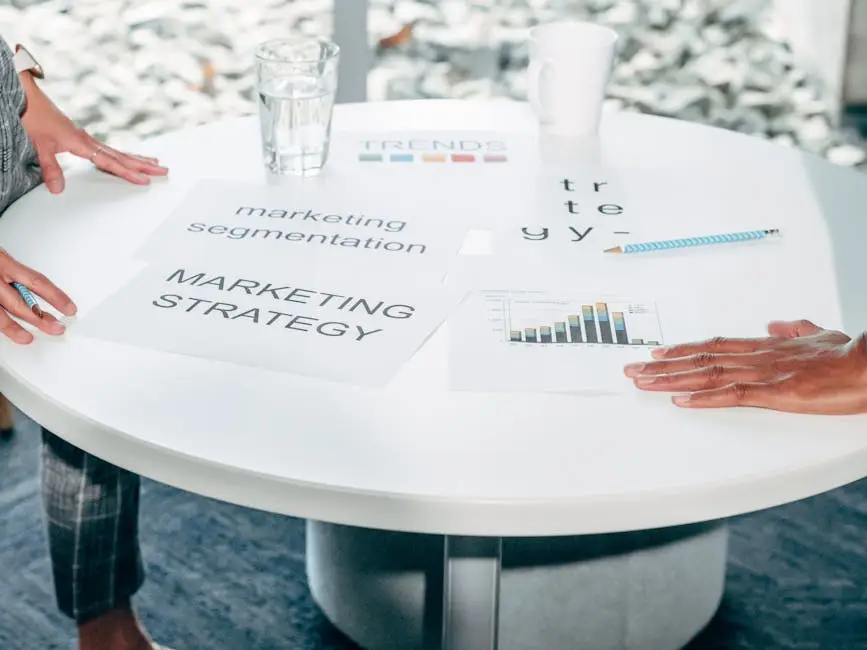
The business world operates at unprecedented speed, with strategies that worked last year becoming obsolete today. As we navigate 2026’s complex marketing landscape, staying ahead requires adapting to evolving customer needs and emerging technologies. The rise of personalized AI experiences, short-form video dominance, and authentic brand storytelling demand fresh approaches. This uncategorized guide explores the most effective marketing strategies for 2026, helping you unlock success in our rapidly changing world.
Understanding Your Target Audience
Defining Your Ideal Customer
Successful marketing in 2026 isn’t about broadcasting to masses—it’s about meaningful conversations with the right people. Generic campaigns waste resources and yield minimal results. Thriving businesses deeply understand their customers’ needs, pain points, and aspirations beyond basic demographics.
A local bakery targeting young professionals might emphasize convenience and unique flavors, while one targeting families focuses on affordability and traditional recipes. Before launching campaigns, ask: Who are we reaching? What motivates them? Where do they spend time online?
Creating Buyer Personas
Buyer personas are research-based representations of ideal customers, including job titles, income levels, goals, challenges, and preferred platforms. You might create “Sarah, the Sustainable Shopper”—a 32-year-old marketing manager passionate about ethical products—or “David, the Budget-Conscious Entrepreneur,” seeking affordable solutions.
These detailed personas ensure every marketing dollar reaches individuals most likely to become loyal customers. Stop Competing. Start Dominating Your Market offers additional strategies for establishing market dominance.
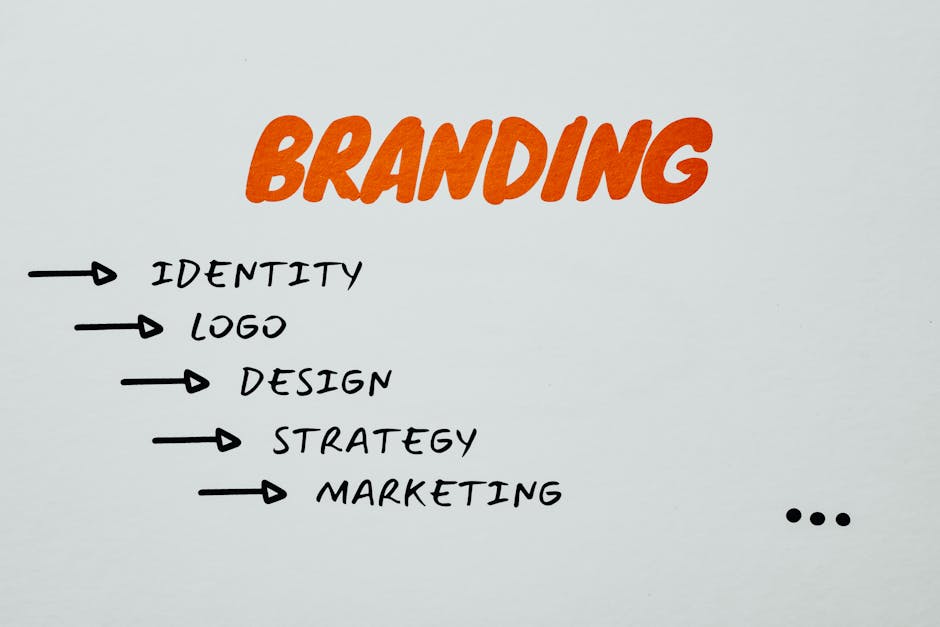
Photo by Eva Bronzini on Pexels
Developing a Strong Brand Identity
Crafting Your Unique Value Proposition
In crowded marketplaces, strong brand identity builds customer loyalty and lasting connections. Your unique value proposition (UVP) clearly explains what makes your business different and why customers should choose you. It’s not just what you sell—it’s the benefits you provide and problems you solve.
Consider a coffee shop positioning itself as a “community hub” rather than just a beverage vendor. This appeals to customers seeking belonging and connection. A well-defined UVP guides all marketing efforts, ensuring consistency across touchpoints.
Building Consistent Visual Identity
Visual branding encompasses your overall look and feel—color palette, typography, imagery, and design aesthetic. Consistency across all touchpoints builds recognition and trust. Imagine a clothing brand with vibrant, playful website colors but dark, muted packaging—this inconsistency creates confusion and dilutes messaging.
Leader’s Edge Consulting understands visual consistency’s importance, ensuring every brand element communicates the same message. From websites to social profiles, visual identity should be instantly recognizable and reflect your brand’s personality.

Photo by Angela Roma on Pexels
Leveraging Content Marketing Excellence
Creating Engaging Content
Content marketing has evolved beyond blog posts to creating valuable, relevant, consistent content that attracts and engages defined audiences. In 2026, consumers face constant marketing bombardment, making genuine value crucial for cutting through noise.
A financial advisor might create short videos explaining complex investment concepts simply, while a fitness studio shares healthy recipes and workout tips. The key is understanding audience interests and addressing their challenges. Content builds trust and establishes authority—it’s not just about selling.
Multi-Channel Content Distribution
Great content needs strategic distribution across multiple channels—social media, email marketing, SEO, and paid advertising. Channel selection depends on your target audience and budget. Gen Z-focused businesses might prioritize TikTok and Instagram, while those targeting baby boomers emphasize Facebook and email.
According to the Content Marketing Institute, businesses consistently publishing high-quality content see 29% increased website traffic. A Strong SEO Website = More Leads & Visibility provides additional optimization strategies.

Photo by Solen Feyissa on Pexels
Building a Powerful Online Presence
SEO Website Optimization
Robust online presence begins with websites optimized for both users and search engines. Modern SEO encompasses technical optimization, content quality, and user experience. Google’s evolving algorithms prioritize sites providing genuine value with fast loading speeds, logical structure, and mobile responsiveness.
Core Web Vitals—including Largest Contentful Paint, First Input Delay, and Cumulative Layout Shift—directly impact rankings. Strategic internal linking distributes link equity while regular content updates demonstrate site activity and authority.
Social Media Engagement Strategies
Social platforms have evolved into community-building hubs requiring authentic engagement over promotion. Success comes from fostering conversations and providing genuine value through educational, entertaining, or inspiring content.
Short-form video dominates most platforms, while influencer partnerships require authenticity as consumers easily spot inauthentic endorsements. Consistent brand voice across platforms reinforces recognition and strengthens overall presence.
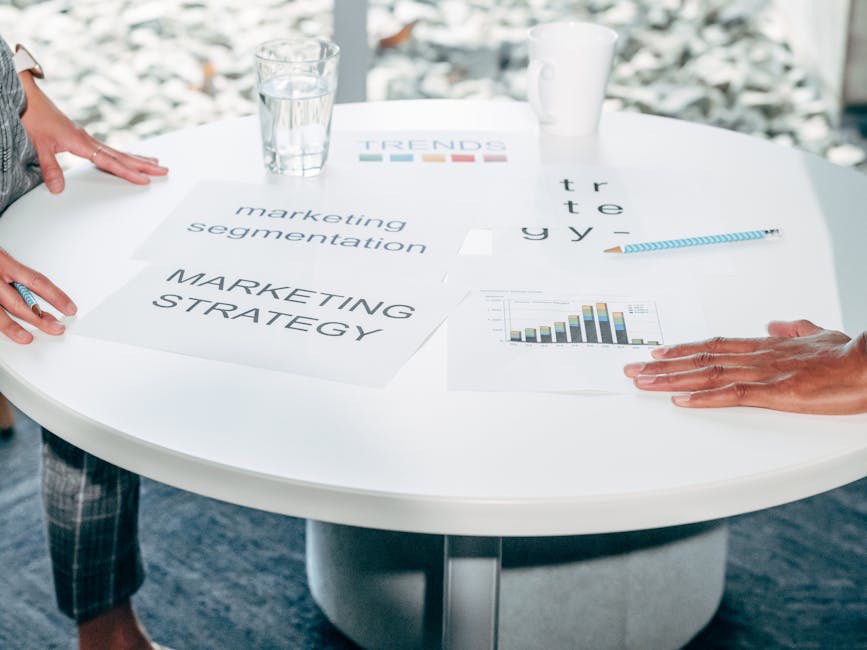
Photo by Kindel Media on Pexels
Measuring and Optimizing Marketing Performance
Setting Strategic KPIs
Effective measurement focuses on Key Performance Indicators directly correlating with business goals, not vanity metrics. KPIs should be SMART: Specific, Measurable, Achievable, Relevant, and Time-bound. Instead of “increase traffic,” target “increase organic website traffic by 15% within Q2 2026.”
Critical metrics include conversion rates, customer acquisition cost (CAC), return on ad spend (ROAS), and customer lifetime value (CLTV). Understanding CAC reveals campaign efficiency, while CLTV provides long-term profitability perspective.
Data-Driven Strategy Optimization
Data analysis transforms numbers into actionable insights using tools like Google Analytics 4 and social media dashboards. A/B testing optimizes campaigns by identifying what resonates with audiences through different ad copy, landing pages, or email subject variations.
Attribution modeling helps understand which touchpoints contribute to conversions. While last-click attribution remains common, sophisticated models like time decay provide holistic customer journey views, enabling optimization across all touchpoints.

Photo by Kindel Media on Pexels
Staying Ahead of Emerging Trends
2026 Marketing Innovations
Several trends shape 2026’s marketing landscape. The metaverse offers immersive brand experiences, while AI automates tasks and improves targeting accuracy. Generative AI assists content creation, though quality control remains essential.
Personalization has become an expectation, not luxury. Privacy regulations drive transparency requirements, while decentralized social networks and Web3 technologies challenge traditional models through tokenization and blockchain rewards.
Maintaining Marketing Agility
Agility is essential for survival in rapidly evolving markets. Build a culture of experimentation and continuous learning. Embrace “fail fast, learn faster” mentality—each failure provides valuable insights for future success.
Regular strategy reviews and willingness to pivot ensure continued effectiveness. Cross-functional collaboration between marketing, sales, and customer service creates cohesive, customer-centric approaches. 5 Powerful Growth Strategies for Scaling Your Business offers additional scaling insights.
Conclusion
These uncategorized marketing strategies position your business for 2026 success and beyond. From SEO optimization to social media leverage and continuous data analysis, proactive and adaptable approaches drive results. Leader’s Edge Consulting emphasizes staying agile, adapting to change, and continuously optimizing efforts for long-term growth and brand awareness. The key is starting execution today—your future success depends on the actions you take now.